By Owen Palmer
Updated November 2026
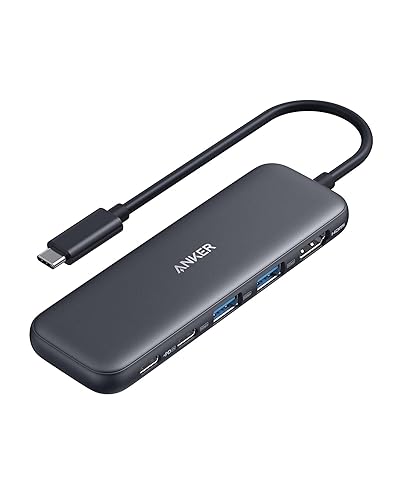
A usb c hub for chromecast can work, but only in a narrow set of cases. Most Chromecast models draw power through a micro USB or USB-C connector and output video over HDMI, so a hub is rarely needed for the streaming itself. This guide shows you how to tell whether a hub will help, how to power the setup correctly, and when a different adapter is the better fix.
Step 1: Identify Your Chromecast Model and Its Ports
Start by checking what your Chromecast actually has. The original Chromecast and the 2nd and 3rd generation models use a micro USB power input and an HDMI output. The Chromecast with Google TV uses a USB-C power input and an HDMI output. Neither type has a USB data port for accessories, which means a hub cannot add storage, Ethernet or extra devices to the Chromecast itself.
Shopping for one? See our guide: USB C Ethernet Hub vs Wi-Fi Dongle (2026): Which Is Better for Wired Internet?.
Once you know your model, you can decide whether the hub is solving a real problem or just adding another cable to your desk. Best USB-C Hubs for Laptops: 6 Hubs Compared goes further into this.
Step 2: Decide Whether a Hub Is the Right Fix
A USB-C hub is useful when your laptop or phone is the source and you need to connect a display, Ethernet or USB devices at the same time. It is not a way to add ports to the Chromecast. Here is how the common scenarios compare:
| Goal | Best approach |
|---|---|
| Stream from a laptop to a TV | USB-C to HDMI adapter or hub with HDMI output |
| Power a Chromecast from a TV port | Short USB power cable into the TV’s USB port |
| Add wired internet to the Chromecast | Not supported; use a Wi-Fi network you trust |
| Free up HDMI on a TV | Hub with HDMI output on the laptop side, or an HDMI switch |
Step 3: Power the Chromecast Correctly
Weak or unstable power is one of the most common Chromecast complaints. Manufacturers specify a 5V supply, and a hub that drops voltage under load can cause restarts or a black screen. Follow these steps:
- Unplug the Chromecast and confirm which power connector it uses.
- Use the original power adapter if you have it. If not, use a 5V, 1A or higher USB adapter with a certified cable.
- Avoid powering the Chromecast through a hub’s USB-A port unless the hub specifies passthrough power for external devices.
- Plug the power cable directly into a wall outlet or a TV USB port that supplies power even when the TV is off, if your TV has one.
Step 4: Connect Video With the Right Adapter
If the goal is mirroring or casting from a USB-C laptop, a hub with HDMI output may help. Check that the hub lists HDMI support and that your laptop supports DisplayPort Alt Mode, which carries video over USB-C. Many budget hubs advertise HDMI output but limit resolution or refresh rate, so confirm the maximum output before buying.
Checking the Connection
After connecting, open the Google Home app and confirm the Chromecast appears on the same Wi-Fi network as your phone or laptop. If the device is missing, restart the router and the Chromecast before changing hardware.
Common Mistakes
- Expecting a hub to add Ethernet or USB storage to a Chromecast, which has no data ports.
- Powering the Chromecast through a low-output hub port, leading to random reboots.
- Buying a hub with HDMI output that only supports 1080p when you need 4K.
- Using a charge-only cable for video or power, which can cause missing signal or weak power.
- Skipping a network check when the real issue is Wi-Fi, not the hub.
Recommended Gear
A USB-C to HDMI adapter is the simplest option when the goal is sending video from a laptop to a TV that the Chromecast is also connected to. Pick one that lists 4K support if your TV supports it.
A short, certified USB power cable with a wall adapter gives the Chromecast steady power and avoids the voltage problems that cheap hubs can cause. View on Amazon View on Amazon
FAQ
Can I plug a USB-C hub into a Chromecast?
No. Chromecast models have a single power input and an HDMI output, with no USB data port, so a hub cannot connect to the device itself.
Why does my Chromecast keep restarting?
Restarts are most often caused by weak power. Use the original adapter or a 5V, 1A or higher supply, and avoid powering it through a hub port.
Do I need a hub to cast from a laptop?
Not always. Casting uses Wi-Fi, so a hub is only needed if you want to send a physical display signal from a USB-C laptop to a TV.
Conclusion
A usb c hub for chromecast is only useful when your laptop needs HDMI or extra ports, not when the Chromecast itself needs more connections. Start by confirming your model, power it reliably, and choose an adapter based on the source device. Matching these three points usually solves the problem without buying extra hardware.
Related reading
- Usb-c Hub for Steam Deck: What to Buy, What to Avoid, and Why
- USB-C Hub vs Docking Station (2026): Which Is Better for Your Setup?
- USB Hub USB Type C: USB-A Hub vs USB-C Hub (2026): Which Should You Choose?
- StarTech 4 Port USB C Hub Review (2026): Features, Pros and Cons
Ready to choose one?
About Owen Palmer
Owen Palmer is part of our editorial team and reviews and edits our consumer tech how-to & troubleshooting guides, checking product details against manufacturer specifications and owner feedback.