By Owen Palmer
Updated November 2026
A Microsoft Surface tablet computer is a Windows device you can use as a tablet, a laptop-style machine with an attachable keyboard, or both. This guide walks you through the factors that decide which model fits your work, so you can narrow the lineup to one or two candidates and know what to verify before buying.
Step 1: Decide How You Will Use the Device
Start with your main task, because it drives almost every other choice. Reading, note-taking, video and light browsing have very different needs from design software, spreadsheets with large datasets or running several Windows apps side by side. If you plan to type for hours, the keyboard and its angle matter as much as the screen.
Also ask whether you need pen input. Several Surface models support a stylus, but not every model includes one in the box, and some pens are sold separately. Check the listing before assuming it comes with the device.
Step 2: Compare Processor, Memory and Storage
Windows tablets vary more in performance than in appearance. As a rough guide:
- 8 GB of RAM handles browsing, email, streaming and office documents for most people.
- 16 GB of RAM gives you more headroom for multitasking, large spreadsheets and photo editing.
- 128 GB of storage works if you store files in the cloud. Choose 256 GB or more if you keep large local libraries, offline video or big software installs.
Storage on Windows fills up faster than people expect once system updates and apps are installed, so leave yourself some margin.
Step 3: Check the Keyboard and Accessories
Surface tablets rely on detachable keyboard covers, and these are often sold separately from the tablet itself. Confirm which keyboard is compatible with your exact model before ordering, since Surface accessories are not always interchangeable across generations. Pay attention to key travel and whether the cover has a trackpad, because these determine how comfortable the device feels on a desk versus on your lap.
If you are considering a laptop-style setup instead, compare the trade-offs in 7 Best Microsoft Surface Laptop Computers for Every Need (2026) before committing.
Step 4: Verify the Specs Before You Buy
Manufacturers list exact processor generations, display sizes and port layouts on each model’s official spec page. Compare those figures directly rather than relying on marketing names, because two models with similar names can differ in memory options or cellular support. Look for a USB-C port if you plan to connect an external monitor, drive or hub.
| Your main need | What to prioritize |
|---|---|
| Reading and browsing | Battery rating, display brightness |
| Office and note-taking | Keyboard cover, 8 GB+ RAM |
| Creative or heavy multitasking | 16 GB+ RAM, 256 GB+ storage |
| Travel | Weight, detachable keyboard, charging standard |
Common Mistakes to Avoid
- Buying a keyboard cover without confirming it matches your specific model.
- Choosing the lowest memory option for multitasking-heavy work.
- Assuming the stylus or keyboard is included when the listing says otherwise.
- Ignoring storage needs for offline files and installed software.
- Skipping the official spec page and relying only on third-party summaries.
Recommended Gear
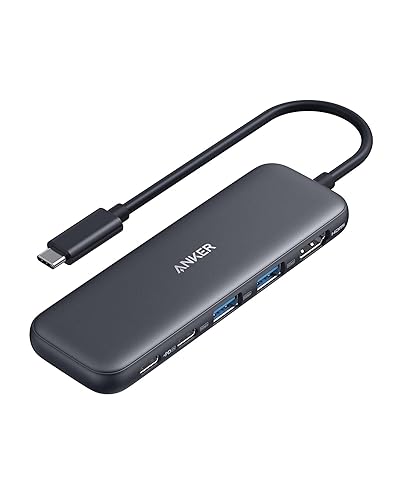
A USB-C hub helps if you need extra ports for monitors, drives or wired peripherals that the tablet lacks. View on Amazon
A sleeve or folio case protects the screen and makes the device easier to carry in a bag. View on Amazon
FAQ
Is a Microsoft Surface tablet computer good for school or office work?
Yes, for most students and office workers, provided the model has enough memory and a compatible keyboard cover. Running Microsoft Office and web apps works well on mid-range configurations.
Do I need the keyboard cover to use a Surface tablet?
No, the tablet works on its own for touch and pen input. The keyboard cover is useful if you plan to type regularly.
How do I confirm which model I already own?
Check the back of the device or the model information in Windows settings under System and About. Matching the exact model name helps you find the correct accessories.
Conclusion
Match the model to your main task first, then confirm memory, storage and keyboard compatibility against the official spec page. Those three checks eliminate most poor purchases. Once you know your configuration, you can shop with confidence.
Related reading
- Surface Tablet Keyboard Not Working: 6 Fixes That Work (2026)
- Microsoft Surface Laptop 3 Power Button Not Working: 7 Fixes That Work
- iPad Tablet Not Charging: Cable vs Port Fix – Which Should You Check First?
- Split Screen Tablet Android: 5 Best Picks for Multitasking in 2026
Ready to choose one?
About Owen Palmer
Owen Palmer is part of our editorial team and reviews and edits our consumer tech how-to & troubleshooting guides, checking product details against manufacturer specifications and owner feedback.