 By Lauren Holland
Updated November 2026
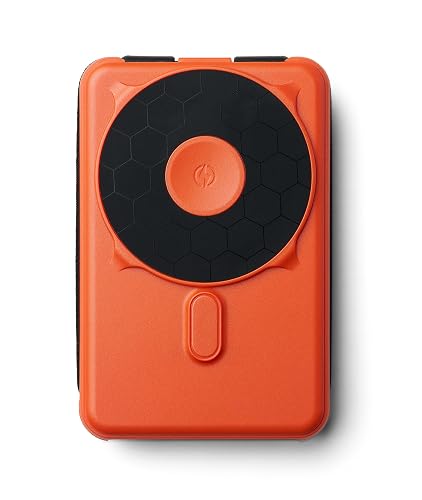
An emergency phone battery charger is only useful if it holds enough charge when the power is out, the roads are closed or you are days from the nearest outlet. The BLAVOR Solar Power Bank is marketed for exactly that job, pairing a 10,000mAh battery with a solar panel, a USB-C output and a pair of built-in flashlights. It suits campers, hikers, road-trip drivers and households that want a backup for a phone or small tablet. It is a poor fit for anyone who needs fast laptop charging, quick top-ups at a desk, or a device that must charge in a few minutes. This review is based on the product listing, manufacturer-style specifications and patterns that owners commonly describe, not on hands-on testing.

20W USB-C battery pack, battery bank, IPX5 waterproof, 2 flashlights, camping essentials, hiking gear, emergency solar backup BLAVOR Solar Power Bank 10,000mAh Portable Wireless Charger for Cell Phone
Product Overview
The BLAVOR Solar Power Bank is a portable battery pack with a 10,000mAh capacity and a solar charging panel on the front. Its listing positions it as a camping and emergency backup device, and it is sold on Amazon US under the name “20W USB-C battery pack, battery bank, IPX5 waterproof, 2 flashlights, camping essentials, hiking gear, emergency solar backup.” The name signals three priorities: a USB-C output rated around 20W, water resistance, and a lighting function that goes beyond charging.
Solar recharging is the feature most buyers look at first. A small panel can add a trickle of power during daylight, but it will not refill a 10,000mAh battery quickly. Think of it as a way to slowly keep the pack topped up on a multi-day trip, not as a replacement for wall charging. Set your expectations accordingly and the device makes more sense.
In practice, a 10,000mAh bank typically delivers somewhere around two full charges to a typical modern smartphone, once you account for conversion losses. Tablets and larger devices will get less. That is a useful amount for a weekend outage or a short hike, and a thin margin for a longer disaster scenario.
Key Features & Specifications
The table below lists only the specifications that the product name states or that are well established for this model category. Where a detail is unconfirmed, it is left out rather than guessed.
| Feature | Specification |
|---|---|
| Battery capacity | 10,000mAh |
| Output port | USB-C (listed as 20W) |
| Charging method | Solar panel plus standard input |
| Water resistance | IPX5 rated |
| Built-in lighting | 2 flashlights |
| Intended use | Camping, hiking, emergency backup |
| Wireless charging | Not confirmed in listing name; check the full product page |
IPX5 is worth understanding. It means the unit is protected against water jets from any direction, which covers rain, splashes and wet campsite conditions. It does not mean the device is waterproof for submersion, so do not drop it in a river or leave it in standing water.
Pros & Cons
Pros
- The 10,000mAh capacity covers roughly one to two phone charges, a sensible size for short trips and outages.
- The IPX5 rating gives reasonable protection against rain and field splashes.
- Built-in flashlights add practical value during power cuts, when a light source matters as much as power.
- The solar panel offers a slow recharge path when no outlet is available.
- A USB-C output suits most current phones and many tablets without an adapter.
Cons
- Solar recharging is slow. Expect the panel to add only a modest amount of charge per day, depending on sunlight.
- Capacity is limited for laptops or larger tablets, which may only get a partial charge.
- Owners commonly report that solar charging depends heavily on panel angle and direct sun, so indoor or overcast use gives weak results.
- Battery packs of this type lose capacity over time, so a unit stored unused for long periods may need a top-up before use.
Performance Analysis
Performance for an emergency charger comes down to three things: how much usable energy it stores, how fast it hands that energy to a device, and how reliably it recharges itself. On paper, a 10,000mAh cell at 3.7V nominal holds about 37Wh. After conversion losses, that translates to roughly 20 to 25 Wh delivered to a phone, which fits the one-to-two-charge estimate above.
The 20W USB-C rating is a ceiling, not a guarantee. Actual output depends on the device, the cable and the charging protocol negotiated. Many phones draw less than the maximum, so you should expect real-world speeds below the listed figure. For emergency use, steady trickle charging is often more useful than peak speed.
Solar performance is where expectations need the most care. Owners of solar banks generally report that a clear, direct-sun day adds a noticeable but limited amount of charge, while cloudy conditions or a panel lying flat in shade adds very little. Treat solar as a supplement. If you plan to rely on it, position the panel facing the sun and check the battery level each morning.
The IPX5 rating and built-in flashlights are practical strengths for outdoor and emergency settings. Water resistance protects the internals from weather, but seals and ports still wear over time, so inspect the USB-C port periodically for debris.
Who Should Buy This Product?
This device suits campers and hikers who want a single item that covers phone power, light and some solar backup. It also fits households that keep an emergency kit and want a compact unit for a phone during a weather event. Road-trip drivers who spend long stretches away from charging points may find it useful as a secondary backup.
It is less suitable for people who need to charge a laptop regularly, who want the fastest possible top-up, or who expect to rely on solar alone for a week-long outage. Those buyers should look at higher-capacity banks or a dedicated solar generator instead. If you mainly charge at a desk, a standard power bank with faster wall recharging will serve you better.
Buying Guide
Before choosing any emergency phone battery charger, decide what job it must do. Work through these checks:
- Capacity: Match capacity to your devices. A 10,000mAh pack suits phones. For tablets or laptops, look at 20,000mAh or more, and check the watt-hour rating if the listing gives it.
- Output ports: USB-C with Power Delivery covers most modern phones. Confirm the port matches your devices and cables.
- Recharge method: If you lack access to wall power, solar is useful but slow. A pack that also recharges from a standard USB-C input gives you more options.
- Durability: Look for an IP rating if you expect rain or dust. Check whether the unit is rated for splashes or full submersion, since these are different.
- Extras: Built-in lights, a warning indicator and a clear battery-level display all matter in a power cut.
Some well-known alternatives to consider, depending on your priorities:
- Miady 2-Pack Portable Charger, Slim 10000mAh Power Bank: A slim, travel-focused option with two outputs and two inputs, suited to backpacks and flights. It does not offer solar recharging, so pair it with a wall outlet or a car charger.

MiadyDual USB丨3 Outputs 2 Inputs丨for Backpack Travel Camping丨Slim丨Compatible with iPhone Android etc丨Flight-Safe丨37Wh丨Black+White 2-Pack Portable Charger, Slim 10000mAh Power Bank Travel Battery Pack
- OHOVIV Portable Charger Power Bank 50000mAh: A high-capacity pack with PD 22.5W output, suited to multi-day trips or charging tablets and more than one device. It is heavier and bulkier, so weigh that against the extra energy.

4× Faster Charging,Up to 55% in 30mins,Travel Essential,Portable Phone Charger for iPhone 17/16/15 Series,Galaxy,Tablet,Black OHOVIV Portable Charger Power Bank 50000mAh,PD 22.5W Battery Pack
For more context on choosing a backup charger, see 5 Best Solar Mobile Phone Charger Picks for Camping and Emergencies (2026) and 7 Best Portable Cell Phone Chargers for iPhone Picks (2026). If you are comparing charging cables, 8 Best Phone Charger USB C Picks Worth Considering in 2026 covers the connector side. Compact choices for daily carry are covered in Top 6 Charge Card Phone Charger Picks for Everyday Carry (2026).
FAQ
How long will this charger keep a phone running in an outage?
A 10,000mAh pack typically gives a modern smartphone one to two full charges. Actual time depends on how much the phone is used, screen brightness and whether you are running a light or hotspot at the same time.
Does the solar panel recharge the battery fast enough for daily use?
Not usually. Solar charging is slow and depends on direct sunlight. Owners commonly use it as a supplementary top-up rather than a primary recharge method.
Is the device fully waterproof?
An IPX5 rating means it resists water jets and rain. It is not rated for submersion, so keep it out of standing water and inspect the port after wet use.
Can it charge a laptop?
Capacity is limited for laptops. You may get only a partial charge, so a higher-capacity pack is a better choice for regular laptop use.
Will the flashlights drain the battery quickly?
Running the lights uses stored energy. For emergencies, use them sparingly and keep a reserve for your phone.
How should I store it between trips?
Keep it at moderate temperature and top it up every few months, since lithium-based packs lose charge slowly when stored unused. Check the battery level before any trip.
Is it safe to leave charging overnight?
Most modern packs include overcharge protection, but you should still use the supplied or a certified cable, avoid charging under pillows or on soft surfaces, and stop using a unit that becomes hot, swollen or damaged. For safety concerns, consult the manufacturer or a qualified professional.
What should I look for besides capacity?
Check output ports, recharge options, water resistance rating and whether the display shows remaining charge. These matter as much as raw capacity in an emergency.
Final Verdict
The BLAVOR Solar Power Bank is a sensible choice for campers, hikers and households that want a compact emergency phone charger with built-in lights and a basic solar option. Its 10,000mAh capacity covers short outages and weekend trips, and the IPX5 rating handles rain. Its limits are clear: solar recharging is slow, and capacity is modest for laptops. Buy it for phones and short-term backup, and look at larger packs if you need more.
Related reading
- 5 Best Battery Chargers for Phone Picks for Travel and Everyday Use (2026)
- Wireless Phone Charger for Car: How to Choose, Mount and Use One (2026)
About Lauren Holland
Lauren Holland is part of our editorial team and reviews and edits our consumer tech how-to & troubleshooting guides, checking product details against manufacturer specifications and owner feedback.