By Lauren Holland
Updated November 2026
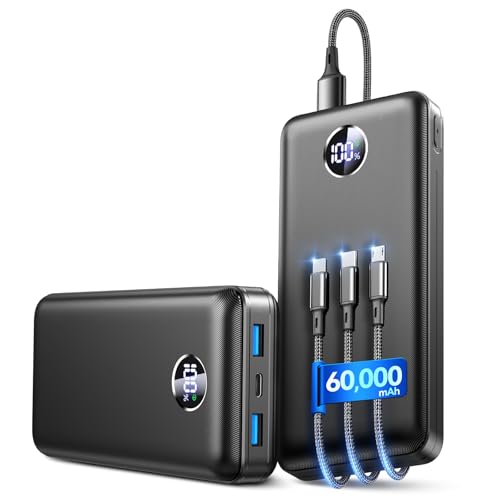
An Anker power bank portable model can keep a phone, tablet or laptop running when no outlet is in sight. This guide shows you how to match capacity and output to the devices you carry, read the ratings that matter, and charge safely. By the end, you will know which specs to check and how to avoid the mistakes that waste battery life.
Step 1: Work Out What You Need to Charge
Start with your devices, not the power bank. List each device you plan to charge and note its battery capacity, which is usually printed in the specifications or settings menu. A typical phone battery sits somewhere around 4,000 to 5,000 mAh, while a tablet or laptop can need far more. As a rough guide, a 10,000 mAh bank can deliver about one full phone charge after conversion losses, since no bank transfers its full rated capacity to a device. For a deeper look, Power Bank of Mobile: How to Choose the Right One Safely (2026) covers this in detail.
Shopping for one? See our guide: 6 Best Anker Zolo Power Banks for Travel and Everyday Use (2026).
Step 2: Match Capacity to Your Use
Capacity determines how many charges you get, and size determines how easily you carry it. Use these general ranges as a starting point: For a deeper look, Power Bank Outlet Plug: How to Use One Safely and Choose the Right Type covers this in detail.
| Use case | Capacity range (mAh) | What it typically covers |
|---|---|---|
| Pocket backup for a phone | 5,000 | About one phone charge |
| Daily commute and travel | 10,000 | Roughly two phone charges |
| Long trips, tablets, light laptop use | 20,000 | Several phone charges or one laptop top-up |
If you want more detail on sizing, see Portable Power Bank 20000mAh: How to Choose the Right One (Step-by-Step) and Power Bank of 5000mAh: What It Covers and How to Pick One (2026).
Step 3: Check Output and Port Ratings
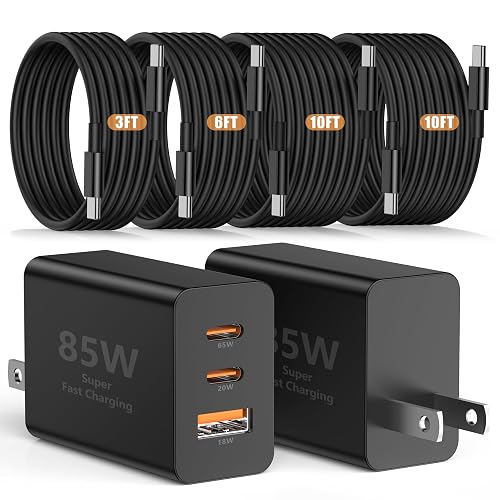
Look at the wattage and the port types, not just the capacity. USB-C Power Delivery (PD) is the fast-charging standard most current phones and laptops support, and the wattage rating tells you how quickly the bank can charge a compatible device. A high-wattage port helps laptops, while a lower wattage is fine for phones. Confirm the bank has the port your cable uses, and keep a USB-C cable rated for the wattage you need. For background on the connector standards, read USB-C Chargers, Power Banks and Wireless Chargers Explained.
Sub-step: Confirm Wireless Charging If You Need It
Some Anker models support magnetic wireless charging for compatible phones. If you use a MagSafe-compatible iPhone, check whether the specific model lists that feature. Our overviews of Anker MagSafe Power Bank: Setup, Charging Tips and What to Buy (2026) and Anker Nano MagSafe Power Bank: Setup, Charging Tips and Troubleshooting cover the differences.
Step 4: Charge the Bank and Your Devices Correctly
- Charge the power bank fully before the trip, using the input port and a cable rated for its wattage.
- Connect your device with a good-quality cable. A cable that is damaged or underrated can cap charging speed.
- Watch the indicator lights. Most banks show remaining charge with LEDs, so you know when to top up.
- Avoid leaving the bank in a hot car or direct sun, since heat degrades lithium cells and can trigger safety cutoffs.
Common Mistakes
- Judging a bank by mAh alone and ignoring wattage and port types.
- Using a cheap, underrated cable and then blaming the bank for slow charging.
- Storing the bank fully drained for months, which can reduce its usable life.
- Expecting the advertised capacity to appear in full on your phone.
- Carrying a 20,000 mAh bank for a short commute when a smaller model would do.
Recommended Gear
- Anker PowerCore 10000: A compact, widely sold option for everyday phone top-ups. View on Amazon
- Anker USB-C to USB-C cable: A braided cable that suits PD charging for phones and tablets. View on Amazon
FAQ
How many phone charges will an Anker power bank portable model give me?
A 10,000 mAh bank typically delivers around two phone charges, since conversion losses reduce the usable output. Actual results depend on your phone’s battery size and how much power the device draws while charging. For another angle, check out Portable Travel Power Bank: How to Pick One That Fits Your Trip (2026).
Can I use a fast charger with a power bank?
Yes, as long as both the bank and your device support the same fast-charging standard, such as USB-C Power Delivery. Otherwise the charge falls back to a slower speed.
Is it safe to carry a power bank on a plane?
Airlines generally require power banks to be carried in cabin baggage rather than checked luggage. Check your airline’s current rules and the watt-hour rating printed on the bank before you fly.
Conclusion
Choosing an Anker power bank portable model comes down to three checks: capacity for how many charges you need, wattage and port types for your devices, and a cable that matches both. Match those to your routine and charge carefully to get the most from the bank.
Ready to choose one?
About Lauren Holland
Lauren Holland is part of our editorial team and reviews and edits our consumer tech how-to & troubleshooting guides, checking product details against manufacturer specifications and owner feedback.