
 By Lauren Holland
Updated November 2026
A portable power bank for power outage use has one job: keep your phone, router, lights and medical or comfort devices running when the grid goes down. The right pick depends on how many devices you need to run, whether you need a standard wall outlet or only USB charging, how long you expect to be without power, and how easily you can recharge the unit before the next storm. The six picks below are ranked by how well they fit those criteria, with attention to capacity in watt-hours, AC output, port count, battery chemistry and owner feedback patterns on outage use.
Our top picks at a glance
- 1
 TOP CHOICEBest overallMARBERO Portable Power Station 88WhView on Amazon
- 2
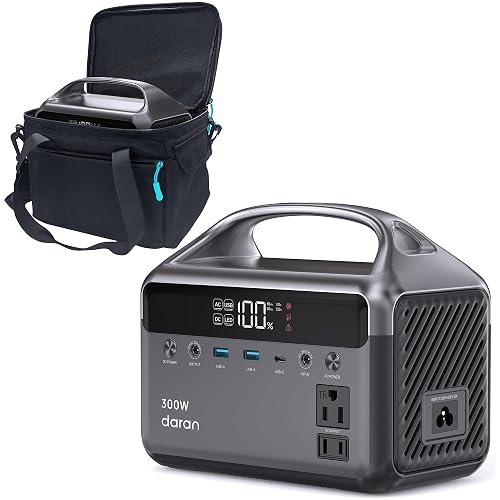 TOP CHOICEBest for whole-home backupPortable Power Station 192Wh (60,000mAh) with BagView on Amazon
- 3
 TOP CHOICEBest for phones and small devicesBLAVOR Solar Power Bank 20000mAhView on Amazon
- 4
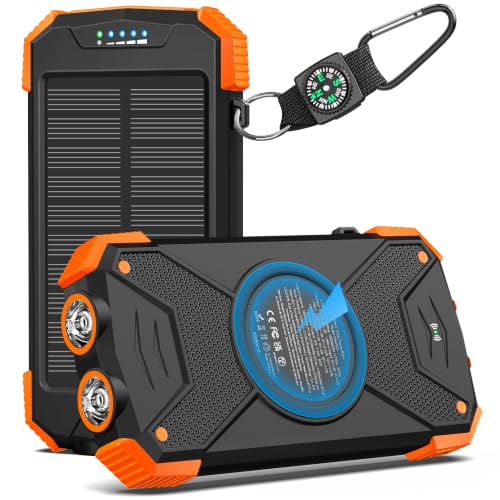 Best budget pickBLAVOR Solar Power Bank 10,000mAh Portable Wireless ChargerView on Amazon
- 5
 Best for laptops and small appliances100W PD USB-C Solar Power Bank 110V LiFePO4 Portable Power Station 89.6WhView on Amazon
- 6
 Best for camping and multi-device backupHOWEASY Portable Power Station 120W, 24000mAh Camping Solar GeneratorView on Amazon
Our Top Picks
Quick Comparison
| Product | Best for | Key feature |
|---|---|---|
| MARBERO Portable Power Station 88Wh | Best overall | AC outlet with 120W surge output |
| Portable Power Station 192Wh (60,000mAh) | Best for whole-home backup | 300W continuous output with two AC outlets |
| BLAVOR Solar Power Bank 20000mAh | Best for phones and small devices | 20W USB-C fast charging and IPX5 water resistance |
| BLAVOR Solar Power Bank 10,000mAh | Best budget pick | Compact 10,000mAh capacity with wireless charging |
| 100W PD USB-C Solar Power Bank 89.6Wh | Best for laptops and small appliances | 110V AC output with 100W USB-C Power Delivery |
| HOWEASY Portable Power Station 120W, 24000mAh | Best for camping and multi-device backup | Two AC outlets plus DC and USB ports |
MARBERO Portable Power Station 88Wh
Power Bank with AC Outlet 110V Portable Generator, 8 Output Ports for Camping Home Backup Outdoor Emergency Hunting Fishing MARBERO Portable Power Station 88Wh, 120W Surge, Solar Generator 24,000mAh
Best for: Overall outage backup for a small set of devices
This unit suits someone who wants a single compact box that can run a router, phone chargers, a small lamp and a fan for a night or two. It offers a true AC outlet, so it handles devices that will not charge over USB.
Key specs
- 88Wh battery capacity
- 120W surge output on the AC outlet
- Eight output ports in total
- Solar input compatible with a solar panel
Pros
- Includes a real AC outlet for devices that do not use USB charging
- Multiple port types cover most household gear
- Compact enough to store in a closet
Cons
- 88Wh is limited for high-draw appliances like space heaters or refrigerators
- Recharge time from wall power is long on a small battery pack
Bottom line: A strong first choice for someone who needs AC power for a handful of low-draw devices during short outages.
Portable Power Station 192Wh (60,000mAh) with Bag
Portable Power Station 192Wh(60,000mAh) with Bag, 300W (600W surge)Power Bank LiFePO4 Battery Backup, Compact Solar Generator 6-Port Design w/2 AC Outlets for Home,RV, Hurricane, Camping,Emergency
Best for: Whole-home backup for longer outages
This model fits a household that wants to keep a modem, a refrigerator-sized load for short periods, medical devices with low draw, and lighting running for a day or more. The LiFePO4 chemistry is generally associated with longer cycle life than older lithium chemistries.
Key specs
- 192Wh capacity (listed as 60,000mAh)
- 300W continuous output with 600W surge
- Two AC outlets and six ports total
- LiFePO4 battery chemistry
Pros
- Two AC outlets allow several appliances at once
- LiFePO4 chemistry is typically rated for many charge cycles
- Carry bag makes it easier to move between rooms
Cons
- Weight is noticeable compared with small power banks
- 192Wh still runs out quickly under heavy loads
Bottom line: The best fit among these for keeping several essentials running through a multi-day outage.
BLAVOR Solar Power Bank 20000mAh
Portable battery pack, 4 built-in cables, 20W USB-C fast charging, IPX5 waterproof, camping flashlight, outdoor emergencies BLAVOR Solar Power Bank 20000mAh, Wireless Charger for Phones & Apple Watch
Best for: Phones, watches and small electronics
This is a practical choice for someone whose main outage need is keeping phones and wearables charged, with the added benefit of a built-in flashlight and water resistance for outdoor use.
Key specs
- 20,000mAh capacity
- 20W USB-C fast charging
- Four built-in cables
- IPX5 water resistance rating
Pros
- Built-in cables reduce the number of accessories to carry
- IPX5 rating handles rain and splashes
- Wireless charging support for compatible phones
Cons
- Not designed to run AC appliances
- Solar recharge is slow compared with wall charging
Bottom line: A solid pick for keeping communication devices alive during an outage, though it is not a substitute for AC backup.
BLAVOR Solar Power Bank 10,000mAh Portable Wireless Charger
BLAVOR Solar Power Bank 10,000mAh Portable Wireless Charger for Cell Phones | 20W USB-C battery pack, battery bank, IPX5 waterproof, 2 flashlights, camping essentials, hiking gear, emergency solar bac
Best for: Budget-minded households needing basic phone charging
This compact unit makes sense for someone who mainly needs to top off a phone or two during a short outage and wants something light enough to keep in a go-bag.
Key specs
- 10,000mAh capacity
- 20W USB-C charging
- Two flashlights built in
- IPX5 water resistance
Pros
- Light and easy to pack
- Built-in flashlights add practical value during outages
- Water-resistant construction
Cons
- Capacity supports only a few phone charges
- No AC outlet for household appliances
Bottom line: Best for a minimal emergency kit focused on phones and light, not whole-home use.
100W PD USB-C Solar Power Bank 110V LiFePO4 Portable Power Station 89.6Wh
100W PD USB-C Solar Power Bank , 110V LiFePO4 Battery, Small Generator for Laptop, Camping, Home, Office, TSA Approved Portable Power Station 89.6Wh Two-Way Fast Charging with AC 100W(200W Peak)
Best for: Laptops and small household appliances
This unit suits someone who works from home during outages and needs a laptop charged, plus a modest AC load such as a lamp or a small appliance.
Key specs
- 89.6Wh capacity
- 110V AC output at 100W continuous (200W peak)
- 100W USB-C Power Delivery with two-way charging
- LiFePO4 battery chemistry
Pros
- 100W USB-C PD can charge most laptops directly
- AC output handles small appliances
- Two-way charging lets you recharge from wall or solar
Cons
- At 89.6Wh, runtime for laptops is measured in hours rather than days
- Limited capacity for anything above low-draw loads
Bottom line: A good choice for keeping a laptop and a few small devices working during a short outage.
HOWEASY Portable Power Station 120W, 24000mAh Camping Solar Generator
Portable Power Bank with 2 110V AC Outlet / 2 DC /3 USB QC3.0/LED Flashlight for Home Camping Emergency Backup HOWEASY Portable Power Station 120W, 24000mAh Camping Solar Generator
Best for: Multi-device backup and camping-style outages
This model fits someone who wants a mix of AC, DC and USB ports in one unit, along with a flashlight, for both home outages and outdoor trips.
Key specs
- 24,000mAh capacity
- 120W output rating
- Two 110V AC outlets
- Two DC ports, three USB QC3.0 ports and an LED flashlight
Pros
- Multiple port types cover a wide range of devices
- AC outlets allow several appliances at once
- Built-in flashlight is useful in the dark
Cons
- Output rating limits how much you can run at once
- Owners often report that runtime is shorter than expected under heavy loads
Bottom line: A versatile choice for households and campers who need several connection types in one unit.
Buying Guide
Capacity in watt-hours
Watt-hours (Wh) tell you how much energy a unit stores. To estimate runtime, divide the battery’s Wh by the device’s wattage, then account for conversion losses of roughly 10 to 20 percent. A 200Wh unit running a 20W router would last about 8 to 9 hours in theory.
Good picks for this: Portable Power Station 192Wh (60,000mAh) with Bag, MARBERO Portable Power Station 88Wh
AC output versus USB output
USB ports handle phones, tablets and many laptops. AC outlets are needed for appliances that do not charge over USB, such as lamps, fans and small kitchen devices. Check the continuous wattage rating, not just the surge figure.
Good picks for this: 100W PD USB-C Solar Power Bank 110V LiFePO4, HOWEASY Portable Power Station 120W
Battery chemistry
LiFePO4 (lithium iron phosphate) batteries are generally associated with longer cycle life and better thermal stability than some older lithium-ion chemistries. Manufacturers often list cycle ratings, so compare those when available.
Good picks for this: Portable Power Station 192Wh (60,000mAh) with Bag, 100W PD USB-C Solar Power Bank 110V LiFePO4
Port count and types
List every device you need to power and match the ports to them. Count USB-C, USB-A, DC and AC outlets separately. Running out of ports during an outage is a common frustration.
Good picks for this: MARBERO Portable Power Station 88Wh, HOWEASY Portable Power Station 120W
Recharge options
Wall charging is fastest. Solar input is useful for extended outages but depends on sunlight and panel size. Some units also accept car charging. Check which inputs a unit supports and how long a full recharge takes from each source.
Good picks for this: BLAVOR Solar Power Bank 20000mAh, BLAVOR Solar Power Bank 10,000mAh
Weight and portability
Larger units with more capacity are heavier. If you need to move the unit between rooms or store it in a closet, weigh the trade-off against the runtime you need. Carry handles or bags help with larger models.
Good picks for this: Portable Power Station 192Wh (60,000mAh) with Bag, BLAVOR Solar Power Bank 10,000mAh
Water resistance and durability
An IPX5 rating means the unit can resist water jets from any direction, which suits storms and outdoor use. It does not mean the unit can be submerged. Store any power unit in a dry area and keep it away from direct heat.
Good picks for this: BLAVOR Solar Power Bank 20000mAh, HOWEASY Portable Power Station 120W
FAQ
How long will a portable power bank run a refrigerator during an outage?
Most portable units with 200Wh or less cannot run a full-size refrigerator for long. Refrigerators cycle on and off, so the average draw is lower than the startup spike, but a small unit may last only a few hours. Larger units or a dedicated backup generator are better for refrigeration.
Can a regular phone power bank run a router?
Some routers draw enough power that a standard USB power bank cannot keep them running. Check the router’s power rating and choose a unit with an AC outlet or a DC port that matches the router’s adapter specification.
How often should I recharge my power bank during storm season?
Keep the unit charged to at least 80 percent during forecasted storms. Recharge it as soon as power returns. Lithium-based batteries generally last longer when kept partially charged rather than fully drained.
Is LiFePO4 safer than other lithium batteries?
LiFePO4 is generally regarded as more thermally stable than some other lithium chemistries, which lowers the risk of overheating. No battery is risk-free, so follow manufacturer guidance on charging and storage.
Can I use a solar panel to recharge these units during an outage?
Yes, if the unit has a solar input and you have a compatible panel. Solar recharge is slow and depends on sunlight, so plan for it as a supplement rather than a primary charging source.
How many watt-hours do I need for a typical outage?
For phones, a router and a few lights for one night, 200Wh is often enough. For longer outages or appliances with higher draw, plan for 500Wh or more. List your devices, add up their wattage, and multiply by the hours you need.
Conclusion
For most households, the MARBERO Portable Power Station 88Wh works well as a first backup unit for a few low-draw devices. If you need to run more at once or for longer, the 192Wh model with two AC outlets gives more room. Phone-focused households can rely on the BLAVOR 20000mAh unit, while the 10,000mAh version suits a light emergency kit. The 100W PD USB-C unit fits people who work during outages, and the HOWEASY 120W station suits mixed home and camping use. Match the capacity and outlets to your actual device list, and treat any portable unit as a short-term bridge rather than a whole-home generator.
Sources
- Guidance on home energy backup, battery storage and emergency power planning (energy.gov)
- Consumer safety information on lithium battery use, charging and recalls (cpsc.gov)
- Emergency preparedness guidance on power outage kits and backup power (ready.gov)
Related reading
- Top 3 Power Banks for Car Picks: Jump Starters and Portable Power Compared
- Portable Travel Power Bank: How to Pick One That Fits Your Trip (2026)
- Portable Travel Charger Power Bank: How to Choose the Right One (2026)
- Portable Power Bank Wireless: 5 Best Picks for Everyday Use in 2026
- Portable Power Bank Car Charger: How to Choose and Use One (2026)
- Portable Power Bank 20000mAh: How to Choose the Right One (Step-by-Step)
- Cell Phone Power Bank Portable Charger: How to Choose and Use One (2026)
- Anker Power Bank Portable: How to Choose and Use One (2026)
About Lauren Holland
Lauren Holland is part of our editorial team and reviews and edits our consumer tech how-to & troubleshooting guides, checking product details against manufacturer specifications and owner feedback.




