As an Amazon Associate I earn from qualifying purchases. This page may contain affiliate links.
The dell pro 14 plus portable monitor is a 14-inch, LED-backlit screen aimed at people who need a second display away from a desk. It suits remote workers, field technicians, students and frequent travelers who already carry a laptop and want more room for spreadsheets, documents or video calls without buying a full-size monitor. It is a poor fit for anyone who needs a large, stationary workspace, color-critical photo or video editing, or a monitor that stays plugged in at a fixed desk all day. Buyers who want maximum screen size for the money should look at 15.6-inch or 24-inch options instead.

Dell Pro 14 Plus Portable Monitor P1425 LED Monitor 14" (35,57 cm)
Product Overview
The Dell Pro 14 Plus Portable Monitor (model P1425) is a 14-inch LED display from Dell’s Pro line, which is positioned for business and mobile professional use. The panel is built for portability first: it is thin and light enough to slide into a laptop sleeve or a work bag, and it is designed to pair with a laptop as an extension rather than replace a desktop setup. Because it is a portable monitor, its main value lies in how it connects and draws power from the host device, so the connection options matter as much as the screen itself.
Portable monitors in this class are usually sold as a companion display. They typically rely on a single cable for both video and power, which reduces desk clutter. If you are new to this category, our guide Portable Monitors Explained: Connections, Power and Who Needs One covers how these displays get power and signal, and why that affects compatibility with different laptops.
Key Features & Specifications
The table below lists the specifications that are reflected in the product name and the core product category. Confirm exact port layout, weight and brightness on the current Amazon listing before purchase, since manufacturers revise these details.
| Feature | Details |
|---|---|
| Brand and line | Dell Pro series |
| Model | P1425 |
| Screen size | 14 inches (35.57 cm), diagonal |
| Panel type | LED-backlit LCD |
| Device type | Portable, second-screen monitor |
| Primary use | Laptop extension for mobile work |
Specifications such as resolution, refresh rate, color coverage and exact port count should be checked against Dell’s published datasheet for the P1425, because these values vary by configuration and region and are not restated here.
Pros & Cons
Pros
- Compact 14-inch size fits easily into a laptop bag and takes little space on a train tray or airline table.
- Dell’s Pro line is generally aimed at business users, so owners tend to expect steady build quality and conservative, workplace-friendly design.
- Single-cable portable monitors of this type reduce the number of adapters needed on the road.
- A 14-inch screen gives a noticeable boost over a laptop display for side-by-side documents.
- Works as a simple expansion for laptops that support the required display connection.
Cons
- A 14-inch panel is small for long spreadsheet sessions or multi-window editing compared with 24-inch and larger monitors.
- Compatibility depends on the host laptop’s video output and power delivery, which can frustrate buyers with older or less common machines.
- Battery-powered operation depends on the source device, so heavy use can drain a laptop faster than expected.
- Portable monitors generally offer less stand adjustability than desktop displays, which can lead to neck strain during long sessions.
Performance Analysis
Performance for a portable monitor is shaped by three factors: the panel itself, the connection path and the host device. The panel determines sharpness and brightness at 14 inches. Viewing distance matters here. Owners typically place this type of screen closer to their eyes than a desktop monitor, so pixel density feels higher, but text can look small without scaling adjustments. Setting the operating system’s display scaling to a level that suits 14 inches is usually the first fix owners make.
The connection path affects both signal stability and power. Owners of portable monitors commonly report that the most reliable setups use a short, certified cable and a laptop port that can supply display output and charging at the same time. Long or low-quality cables are a frequent cause of flicker or a black screen. If your display goes dark after connecting, our HP Laptop Monitor Black Screen: 7 Causes and Fixes That Work article walks through the same checks that apply to most laptops, including display-output settings and cable testing.
Power draw is the other practical question. A portable monitor running off a laptop battery will shorten runtime, so people who plan to work unplugged for hours should keep a charger nearby or use a powered USB hub. Our USB Hub vs Docking Station, Plus Keyboards, Mice and Monitor Arms guide explains when a hub is enough and when a docking station makes more sense.
Who Should Buy This Product?
This monitor makes the most sense for people who work on a laptop in several locations and want a second screen they can carry. A consultant reviewing documents in a client office, a student taking notes beside lecture slides, or a sales rep keeping a presentation visible during a call are typical examples. In each case the goal is extra screen space that packs flat.
It is a weaker choice for people who spend most of their time at one desk. A 24-inch or 27-inch desktop display will offer far more workspace, and a monitor arm can position it at eye level. For a stationary setup, compare options in Best External Monitor for Laptop instead. Buyers who want a portable screen but prefer a larger panel should look at Best Travel Monitor for Laptop.
Buying Guide
Before buying any portable monitor, check four things. First, confirm that your laptop supports the display output the monitor uses, and that its USB-C or other port can deliver video. Second, decide whether you need power delivered through the same cable or a separate adapter. Third, consider screen size relative to your typical work: 14 inches suits documents and chat windows, while 15.6 inches gives more room for spreadsheets. Fourth, think about stand support, since many portable monitors rely on a folding case or kickstand.
If the Dell P1425 does not fit your needs, these well-known alternatives are worth comparing. The Dell 24 Monitor SE2426H is a desktop-class 23.8-inch display that suits a fixed workstation, though it is not portable. The ASUS ZenScreen MB16ACV is a 15.6-inch USB-C portable monitor that appeals to buyers who want a larger panel in a travel format.
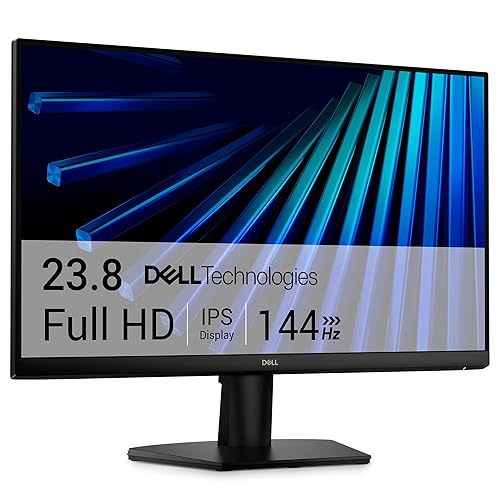
Dell 24 Monitor – SE2426H – 23.8-inch FHD (1920×1080) 144Hz 1ms Display, in-Plane Switching (IPS) Technology, AMD FreeSync™, TÜV 3-Star 2X HDMI, Tilt

ASUSUSB-C, Anti-Glare, Kickstand, IPS, For Laptop, Phone, Console, Travel Display for MacBook and PC ZenScreen MB16ACV 15.6 Inch 1080p USB-C Portable Monitor
For a broader comparison of current options, see 15 Best Portable Monitors and Best Wireless Monitor for Laptop.
FAQ
Will the Dell Pro 14 Plus work with any laptop?
Not necessarily. It depends on whether your laptop can output video to an external display and supply enough power through the connection you plan to use. Check your laptop’s port specifications and confirm that the port supports display output before buying.
Does it need a separate power adapter?
That depends on the connection setup. Many portable monitors can draw power from the host device, but some configurations or heavy use may require a separate power source. Review the official Dell documentation for the P1425 to confirm how it is powered.
Is 14 inches big enough for daily work?
For reading documents, email, chat windows and reference material alongside a main laptop screen, 14 inches is workable. For dense spreadsheets or design work, a larger display will be more comfortable.
Can I use it as my only monitor?
It can serve as a temporary primary display, but most people find it too small for extended use as their only screen. It works best as a second display.
Why does my screen flicker or go black?
Owners commonly trace this to a low-quality or overly long cable, insufficient power from the laptop port, or outdated graphics drivers. Replacing the cable with a short, certified one and updating drivers resolves many cases.
How do I improve text clarity on a small portable screen?
Adjust display scaling in your operating system so text is comfortable at arm’s length, and keep the screen at a reasonable distance rather than pressing it close to your face.
Is it good for gaming or video editing?
It is designed for productivity and document work. Buyers who need high refresh rates, accurate color or large canvases should look at dedicated gaming or creative monitors instead.
Final Verdict
The dell pro 14 plus portable monitor is a sensible choice for mobile professionals who want a light, compact second screen from a established business-oriented brand. Its strengths are portability and a simple connection story, while its limits are screen size and dependence on the host laptop’s port and power. If you work away from a desk often and your laptop supports the required connection, it is worth considering. If you mainly work at one desk, a larger desktop display will serve you better. Check the current specifications on the listing before you buy: View on Amazon.